Guides
Why your exercise bike seat hurts
Nine times out of ten the saddle is not the problem. Fix the fit first, then change the seat — in that order, because the reverse does not work.
Belt & Bike earns a commission when you buy through our links, at no extra cost to you. Prices come from Amazon and change; the date beside every price is when we last verified it. Full disclosure.
Quick picks
| # | Model | Resistance | Score | Price |
|---|---|---|---|---|
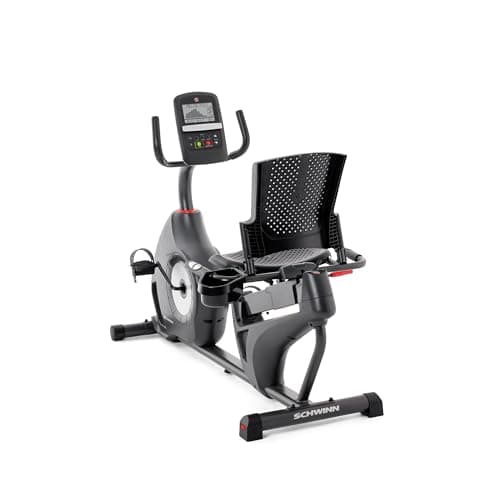
| Rank 1 | Schwinn 230 Recumbent Bike A branded recumbent under $500 | 16-level magnetic | 8.0 | $499.00Amazon |
| Rank 2 | 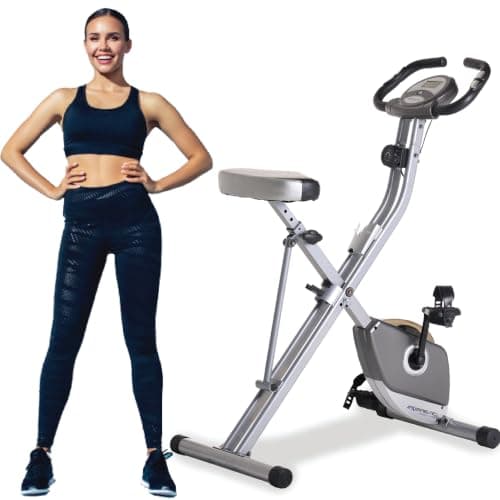 Exerpeutic Foldable Exercise Bike A folding bike with a regular-size seat | Magnetic | 6.6 | $219.00Amazon |
| Rank 3 | 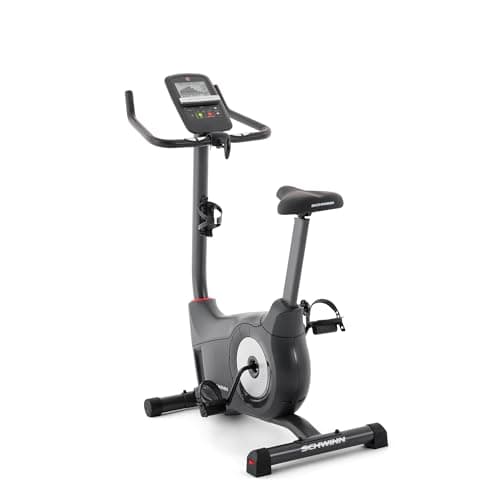 Schwinn 130 Upright Bike A compact upright from a real brand | 16-level magnetic | 7.4 | $499.99Amazon |
| Rank 4 | 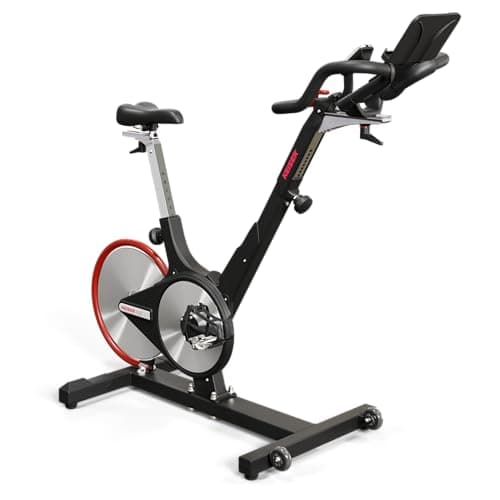 Keiser M3i The bike commercial studios actually buy | 24-gear magnetic | 8.6 | $2,985.00Amazon |
#ad Prices come from Amazon and change. How this site is funded. Scores are our published editorial rubric — see our methodology.
If your exercise bike seat hurts, check the saddle height, the fore-aft position and the handlebar height before you buy anything. A saddle set too high makes your hips rock and drags you across the seat on every stroke; a saddle too far back or bars too low push your weight onto the soft tissue at the front instead of onto the sit bones, which is where it belongs. Those three adjustments resolve most saddle complaints, and all three are free.
If the fit is right and it still hurts after a couple of weeks, then it is the seat — and the seat is the cheapest part of any bike to replace. What does not work is buying a gel cover first and wondering why it is no better.
Where your weight is supposed to sit
On two bones. The ischial tuberosities — the sit bones — are designed to carry load, and a bike saddle is a platform for exactly those two points. Everything between them is soft tissue that is not designed to carry anything, and pain there is a positioning problem rather than a padding problem.
This is why a wider saddle is not automatically more comfortable and a softer one is often worse. Excess padding lets your sit bones sink through it until the saddle is pressing on everything *except* the two places meant to take the load. A firm saddle of the right width is more comfortable over 45 minutes than a soft one, which is counter-intuitive and consistently true.
The three checks, in order
- Saddle height. Sit on the bike, put a heel on the pedal at its lowest point, and your leg should be almost straight. Pedaling normally with the ball of your foot then leaves the 25 to 35 degrees of knee bend you want. If your hips rock side to side, it is too high — and hip rock is the single most common cause of saddle soreness.
- Fore-aft position. With the pedals level, your forward knee should sit roughly over the pedal spindle. Too far back pushes your weight forward onto soft tissue; too far forward puts it on your hands.
- Handlebar height. On an upright, bars should be high enough that you are not reaching. On an indoor cycle, raising the bars rotates your pelvis back and takes pressure off the front of the saddle — this is the fastest fix for front-of-saddle pain and nobody tries it first.
Exercise bike setup and seat height has the full method with the inseam arithmetic. Do that page before this one if you have just bought a bike.
Bikes whose seat is not the compromise
#1 · A branded recumbent under $500
Schwinn 230 Recumbent Bike
Schwinn Fitness16 magnetic resistance levels, a 300 lb rating and a proper step-through frame from a brand that still sells parts — the safe recumbent choice.
| Resistance | 16-level magnetic |
|---|---|
| Weight capacity | 300 lb |
| Footprint | 64″ L × 27.7″ W × 44″ H |
| Machine weight | 80 lb |
| Console | 5.5″ LCD with Bluetooth |
| Subscription | No subscription |
Every console function works with no account. Bluetooth is optional.
Specifications per Schwinn Fitness published specifications.
What it does well
- Numbered magnetic levels, so sessions are repeatable
- Step-through frame with a low entry height
- Bluetooth to the Schwinn and third-party apps — no plan required
Where it falls short
- 64″ long is a serious footprint for a bike
- 300 lb capacity is beaten by cheaper no-name recumbents claiming 400 lb
- Seat is comfortable but not adjustable for backrest angle
Our rubric
- Ride
- 8.0
- Fit
- 8.0
- Resistance
- 8.0
- Build
- 8.0
- Value
- 8.0
#2 · A folding bike with a regular-size seat
#ad How we are funded · Price as of October 17, 2026
Exerpeutic Foldable Exercise Bike
ExerpeuticA folding upright that keeps a full-size seat instead of the usual hard wedge — the detail that decides whether you keep using it.
| Frame | Folding upright |
|---|---|
| Seat | Full-size padded |
| Resistance | Magnetic |
| Weight capacity | Not published by manufacturer |
| Subscription | No subscription |
Mechanical with a battery LCD.
Specifications per Manufacturer figures as published on the Amazon product listing.
What it does well
- A seat you can actually sit on for 40 minutes
- Folds to a narrow upright profile
- Long-running model with easy spares
Where it falls short
- No published capacity figure
- Limited resistance ceiling
- Console is minimal
Our rubric
- Ride
- 6.0
- Fit
- 7.0
- Resistance
- 6.0
- Build
- 6.0
- Value
- 8.0
#3 · A compact upright from a real brand
#ad How we are funded · Price as of October 17, 2026
Schwinn 130 Upright Bike
Schwinn Fitness16 magnetic levels in a 41″ × 21″ footprint — the upright to buy when the recumbent simply will not fit.
| Resistance | 16-level magnetic |
|---|---|
| Weight capacity | 300 lb |
| Footprint | 41.3″ L × 21.4″ W × 54.5″ H |
| Machine weight | 58.4 lb |
| Console | 5.5″ segmented LCD |
| Subscription | No subscription |
Self-contained console; no plan to buy.
Specifications per Schwinn Fitness published specifications.
What it does well
- A genuinely small footprint — under two feet wide
- 58 lb means one person can move it
- Numbered magnetic resistance at an entry price
Where it falls short
- Upright seating is less comfortable than recumbent for long sessions
- Segmented LCD is basic
- Lighter frame rocks more than the recumbents under hard effort
Our rubric
- Ride
- 7.0
- Fit
- 7.0
- Resistance
- 8.0
- Build
- 7.0
- Value
- 8.0
#4 · The bike commercial studios actually buy
#ad How we are funded · Price as of October 17, 2026
Keiser M3i
KeiserThe rear-flywheel magnetic cycle that fills real studios — a different class of machine, priced accordingly, and included here as the ceiling the budget bikes are measured against.
| Resistance | 24-gear magnetic |
|---|---|
| Flywheel | Rear-mounted, out of the sweat zone |
| Drive | Self-tensioning Poly-V belt |
| Weight capacity | 350 lb |
| Rider height range | 4′10″ to 7′0″ |
| Footprint | 51″ L × 26″ W × 49″ H |
| Machine weight | 92 lb |
| Console | M Connect: rpm, watts, kcal, time, distance |
| Warranty | 3 yr all-inclusive (excl. labor), 90 days wear items |
| Subscription | No subscription |
Keiser sells no subscription. The bike broadcasts open Bluetooth data to any app you choose.
Specifications per Keiser published M3i specifications.
What it does well
- Rear flywheel keeps sweat off the moving parts — the single biggest reason studio bikes outlast home bikes
- Magnetic resistance with nothing in contact, so there is no pad to wear out
- Bluetooth power and cadence output that apps can actually read
- 92 lb and a 51″ × 26″ footprint — far easier to live with than its price suggests
Where it falls short
- Costs several times any other bike here
- No screen; you supply the device
- Keiser does not publish a flywheel mass, so you cannot spec-compare it to a 40 lb home bike
- Overkill for anyone riding three times a week
Our rubric
- Ride
- 10.0
- Fit
- 9.0
- Resistance
- 10.0
- Build
- 10.0
- Value
- 4.0
Frame type decides how much the saddle matters
| Frame | Seat type | How much saddle comfort matters |
|---|---|---|
| Recumbent | Chair with a backrest | Barely — your weight is on your backside, not sit bones |
| Upright | Wide padded saddle | Moderate — comfortable for most people as supplied |
| Folding upright | Varies; often narrow | High — the usual reason folding bikes stop being used |
| Indoor cycle | Narrow road-style wedge | Highest — and most sensitive to fit |
The structural answer, if saddle pain is why you stopped riding: a recumbent. The Schwinn 230's step-through frame puts you in a seat with a backrest, there is no saddle height to set, and the problem does not exist. Best recumbent exercise bikes covers the category, and upright vs recumbent bike weighs the trade.
At the other end, an indoor cycle's narrow wedge saddle is the most fit-sensitive seat in the category — which is also why the Keiser M3i's published 4′10″ to 7′0″ fit range matters so much on this kind of bike. Spin bike vs upright bike is the comparison if you have not chosen yet.
If you do replace the saddle
- Match the width to your sit bones, not to your preference for softness. Wider sit bones want a wider saddle. Too wide and the edges chafe your inner thighs; too narrow and the load lands between the bones.
- Firm over soft. A firm saddle supports the sit bones. A soft one lets them sink and loads everything else.
- Check the rail standard before buying. Most saddles use standard twin rails and fit most clamps, but budget bikes occasionally use a proprietary mount.
- A cover is a stopgap, not a fix. Gel covers add squash on top of a saddle that may be the wrong shape, and they slide. They are worth trying before a new saddle only because they are cheap.
- Padded shorts do more than any cover. Unglamorous, effective, and the thing experienced riders use instead of chasing saddles.
Signs it is a fit problem rather than a seat problem
| Symptom | Most likely cause |
|---|---|
| Hips rocking side to side | Saddle too high |
| Pain at the front, soft tissue | Bars too low, or saddle nose tilted up |
| Numbness | Pressure on soft tissue — raise the bars, level the saddle |
| Sliding forward on the seat | Saddle tilted nose-down, or saddle too high |
| Pain behind the knee | Saddle too high or too far back |
| Pain at the front of the knee | Saddle too low or too far forward |
| Sore sit bones, improving weekly | Normal adaptation |
Knee pain in particular is almost never a saddle issue, and it is worth taking seriously rather than riding through — general guidance on exercise and joint health is published by the American Academy of Orthopaedic Surgeons. Best exercise bikes for bad knees ranks the category on how gently it loads the joint.
Before you give up on the bike
The order that works: adjust the fit, ride for two weeks, add padded shorts, then change the saddle, then change the bike. Most people do it backwards and conclude that exercise bikes are not for them, when what was not for them was a saddle three inches too high.
If you have worked through all of it and the position is still wrong, the frame may genuinely be the wrong shape for you. Best exercise bike for short riders and best exercise bikes for tall riders cover the two ends where that happens most.
Frequently asked questions
Why does my exercise bike seat hurt so much?
Does exercise bike seat soreness go away?
Are gel seat covers worth it?
Is a wider exercise bike seat more comfortable?
Which exercise bike has the most comfortable seat?
Sources
Read next
Guides
How to set up an exercise bike properly
Hip-bone height, knee over pedal axle, bars for comfort — and the three mistakes everyone makes.
Exercise Bikes
Best recumbent exercise bikes
The most comfortable cardio machine made, and the one most likely to still be used in month six.
Guides
Spin shoes and pedals, explained
Toe cages against SPD, why a stiff sole beats a cleat, and the pedal thread detail that catches everybody.
Exercise Bikes
Best exercise bike for short riders
Inseam, not height - the frame types that fit a short rider and the one bike that publishes a range.
Exercise Bikes
Best exercise bikes for bad knees
Seat height matters more than machine choice, and most people have theirs too low.