
Best bike under $300
Best exercise bikes under $300
The bracket where a bike beats a treadmill outright, and the one spec that decides it.
Resistance type, flywheel, fit range and frame mass. The specs that decide a bike, with live prices and every figure cited.
Belt & Bike earns a commission when you buy through our links — from Amazon and from brand partner programs — at no extra cost to you. Prices change; the date beside every price is when we last verified it. Full disclosure.
Ranked on the specifications below. Prices are live and dated; where no live price resolves, the cell reads Check price.
| # | Model | Resistance | Score | Price |
|---|---|---|---|---|
| Rank 1 | 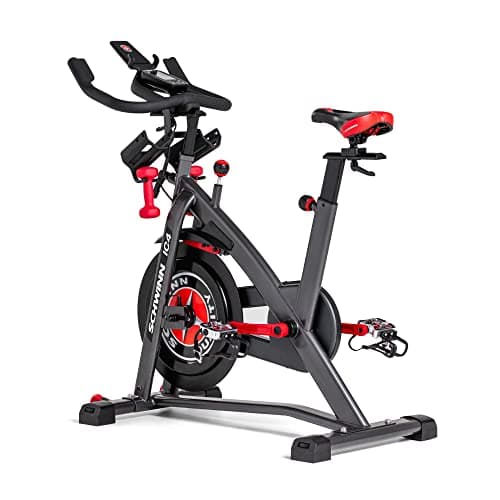 Schwinn IC4 A Peloton ride feel with no Peloton bill | 100-level magnetic | 9.8 | $799.00Amazon |
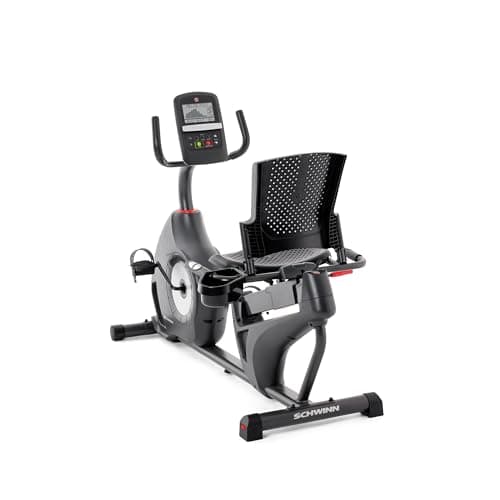
| Rank 2 | Schwinn 230 Recumbent Bike A branded recumbent with real parts support | 16-level magnetic | 9.3 | $499.99Amazon |
| Rank 3 | 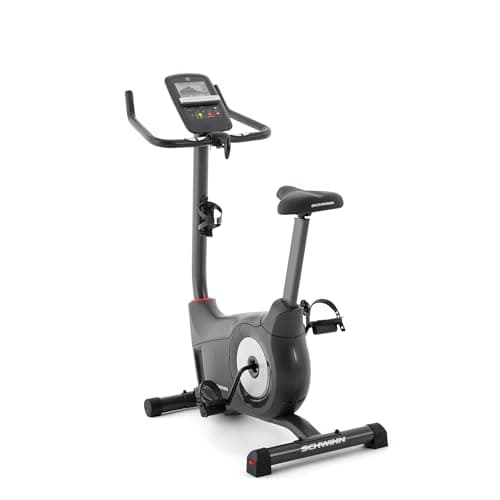 Schwinn 130 Upright Bike A compact upright from a real brand | 16-level magnetic | 9.1 | $399.99Amazon |
| Rank 4 | 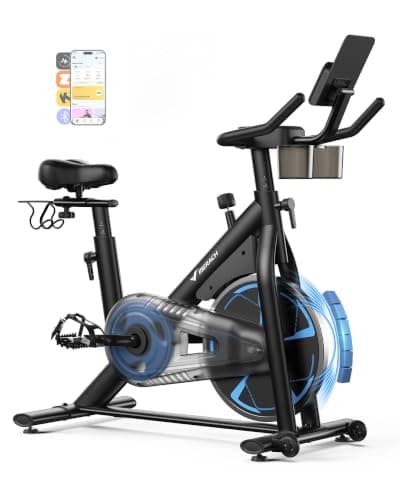 MERACH S36 Magnetic resistance and a 330 lb rating under $300 | Magnetic | 9.0 | $237.99Amazon |
| Rank 5 | 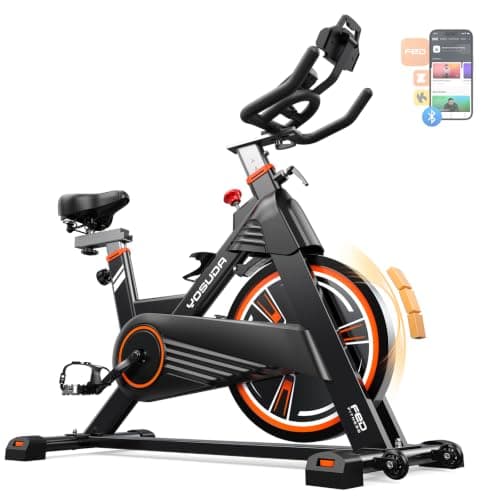 YOSUDA PRO Magnetic Exercise Bike A 350 lb rating under $350 | Magnetic | 9.2 | $329.99Amazon |
#ad Prices come from Amazon and change. How this site is funded. Scores are our published editorial rubric — see our methodology.
Exercise bikes are the best value in home cardio and it is not close. A bike has no motor, takes no impact loading, and has almost nothing that wears. Every failure mode that kills a cheap treadmill simply does not exist here, which is why a $300 bike is a genuinely good machine and a $300 treadmill is a compromise.
The body position decides everything downstream
Be honest here rather than aspirational. An hour on a recumbent beats fifteen minutes on a spin bike you resent, and the activity guidelines reward accumulated minutes rather than maximal efforts.
| Magnetic | Friction | Air | |
|---|---|---|---|
| How it works | Magnets near the flywheel, no contact | Felt pad presses the flywheel | A fan moves air |
| Noise | Near-silent | Audible hiss | Loud |
| Wear part | None | Pad, ~$20, replaceable forever | None |
| Repeatable levels | Often numbered | Unmarked knob | None — effort sets it |
| Buy it if | You are almost anyone | You want infinite repairability | You do short intervals |
Magnetic has now reached even the sub-$300 bracket, and for most buyers there is no longer a reason to choose friction. Resistance types explained covers all three properly.
If the brand is already decided, the whole Schwinn lineup is ranked here — six machines across four body positions, including the two places where a cheaper brand does the same job for less. The two models at the top of Schwinn's current recumbent and upright ladders get their own write-ups: the Schwinn 290 recumbent and the Schwinn 130 upright, both read against the manufacturer's published figures rather than a dealer listing.
On footprint, the upright is the format that wins outright — a compact one is about a third of a recumbent's floor area for the same exercise, which is usually why it is on the list at all. Upright exercise bikes under $500 ranks that bracket on published length and width first, ahead of resistance range and well ahead of anything on the console.
The same reasoning runs to both ends of the price ladder. Exercise bikes under $200 is the floor of the market, ranked on resistance mechanism and riding format because almost nothing at that price publishes a usable specification. Recumbent exercise bikes under $1,000 is the bracket at the other end, where published dimensions, numbered resistance levels, a capacity figure beside a frame weight and a real parts channel all arrive together.
Four-way seat adjustment (up/down and fore/aft) and, on a spin bike, four-way handlebar adjustment. Two-way bikes fit one body shape and no others. If more than one person will ride it, this is not optional, and if you are over six feet it is the spec most likely to catch you out — most bikes run out of seat post travel, not frame. See exercise bikes for tall riders.
Fit has a second dimension that spec sheets never mention: whether you can get onto the bike and operate it. A step-through recumbent frame has no top tube to swing a stiff hip over, and magnetic resistance changed from the console asks nothing of an arthritic thumb that a friction knob does. Exercise bikes for arthritis ranks the range on exactly those two things.
Use shipping weight as the proxy. A light bike rocks when you stand on the pedals, and no flywheel figure compensates. Under $500 we would not consider a spin bike whose total shipping weight is under about 70 lb if you intend to ride out of the saddle.
A bike's resistance is a knob and its console reports locally, so a subscription on a bike almost always sells content rather than function. That makes the rule simple: buy the bike that broadcasts standard Bluetooth, then choose your content separately — Peloton, Zwift, a free app, or nothing — and change your mind later without changing your bike.
At a representative $39 a month, three years of membership exceeds the entire price of a Schwinn IC4. Exercise bikes without a subscription and the subscription cost calculator do the arithmetic.
48 pages in this section. Roundup tiles carry the live price and a buy link for their top pick.
Best bike under $300
The bracket where a bike beats a treadmill outright, and the one spec that decides it.
Best bike under $500
Numbered resistance, real frame mass and brands that sell spare parts.
Best bike under $1,000
Studio-grade flywheels, open Bluetooth, and the sharpest version of the subscription question.
Best spin bikes
Flywheel, drive, resistance and fit — the four specs that decide how a cycle rides.
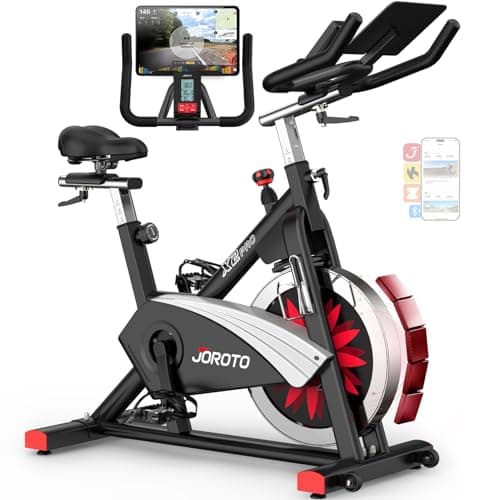
Best spin bike under $500
Why shipping weight tells you more about the ride than the advertised flywheel does.
Best spin bike under $1,000
Numbered levels and open Bluetooth — and why the open broadcast is the anti-lock-in feature.
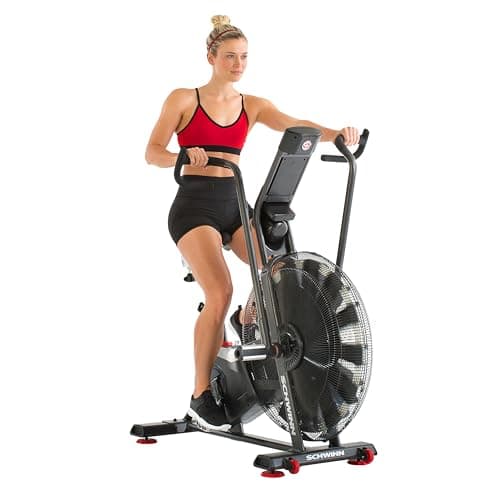
Best air bikes
Resistance that scales with effort — superb for intervals, poor for steady riding, always loud.
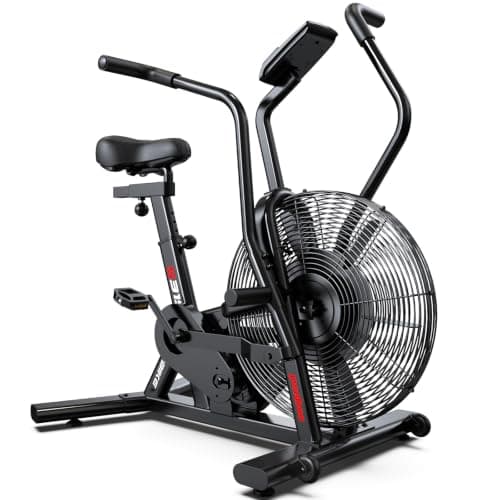
Best air bike under $500
The same fan physics for half the money, minus the frame mass that keeps a bike still.
Best recumbent bikes
The most comfortable cardio machine made, and the one most likely to still be used in month six.
Best recumbent under $500
The one category where $500 gets you most of the way to the best available.
Best upright bikes
Smaller than a recumbent, gentler than a spin bike, and the only one that fits in a corner.
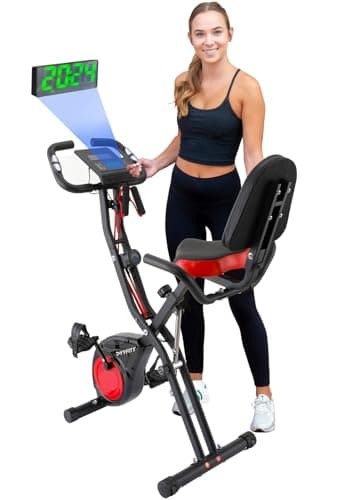
Best upright for seniors
Step-over height, a backrest option, and a console you can actually read.
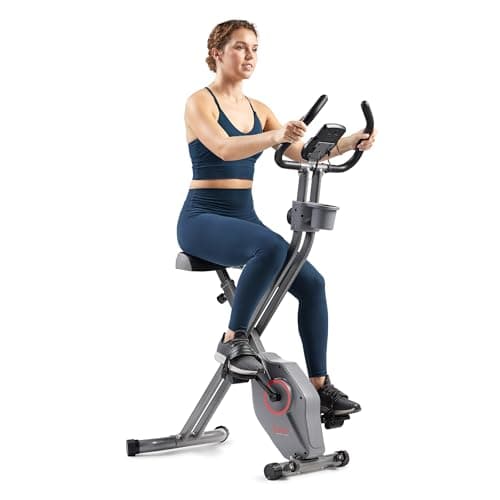
Best folding bikes
How much rigidity a hinge costs you, and when that trade is clearly worth making.
Best bikes for seniors
A bike is a chair your legs move — which is why it is the default for an older rider.
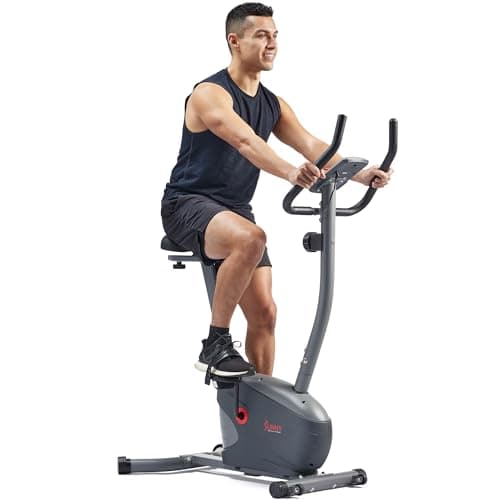
Best bikes for beginners
Comfort beats capability, and starting slower is what keeps people riding in year two.
Best bikes for knee comfort
Seat height matters more than machine choice, and most people have theirs too low.
Best recumbent for knees
The geometry that makes recumbents gentler, and the seat-rail setup that makes it true.
Best for tall riders
Seat-post travel, not frame size — and the inseam calculation to check it before ordering.
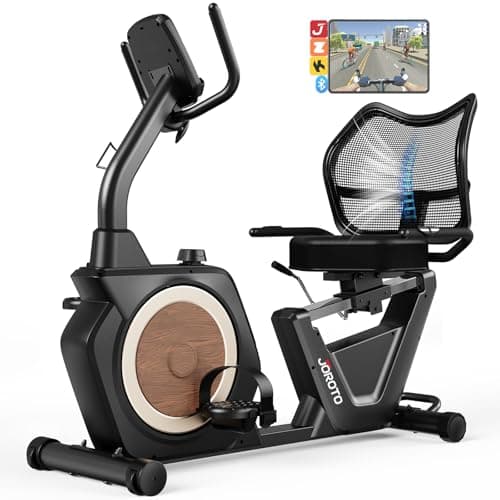
Best for heavy riders
Why bike capacity ratings are more trustworthy, and how much margin to leave anyway.
Best for weight loss
The target is 45-60 minutes five days a week — which makes comfort the primary spec.
Best Schwinn bike
Six machines, four body positions, one genuinely great bike — and the two places a cheaper brand matches it.
Index
Model-by-model write-ups, with an explicit statement of what we verified and what we did not.
Review
40 lb flywheel, 100 magnetic levels, open Bluetooth and no membership. The benchmark.
Review
The budget benchmark — and an honest account of the specs the listing leaves out.
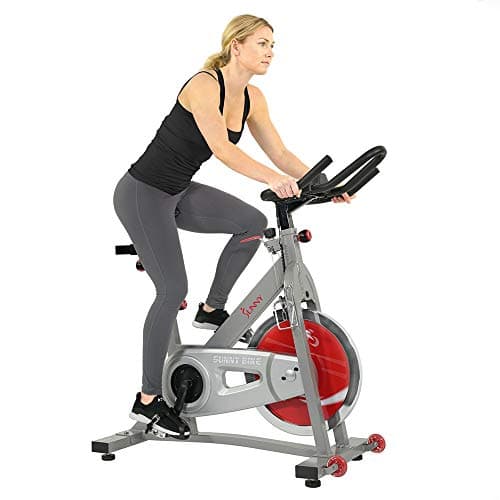
Review
The budget bike you can still buy parts for in ten years — and why friction can outlive magnetic.
Review
Magnetic resistance under $300 — a genuine win, with four honest limitations.
Review
What JRNY actually gates, and the open-Bluetooth bikes that make the question moot.
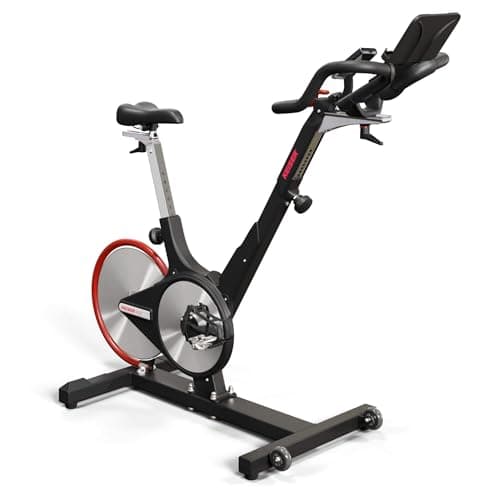
Review
The rear-flywheel bike studios buy, reviewed honestly — including why a $300 bike is the right answer for most people.
Review
The air bike with a belt instead of a chain — quieter, self-tensioning, and the only reason to pay AD7 money.
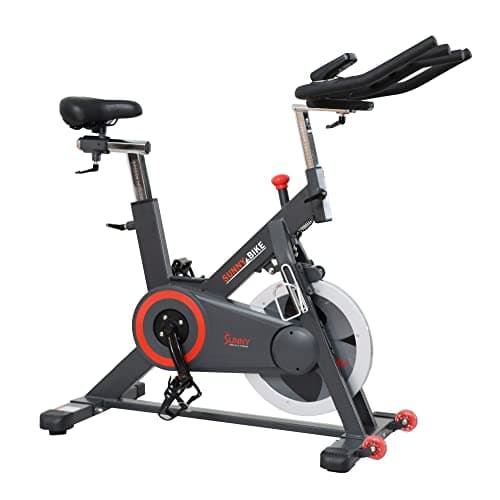
Best Sunny bike
Seven Sunny bikes by body position, and the spare-parts channel that is the real reason to buy one.
Best for tight rooms
Published footprints, the two different small-space problems, and when folding is the wrong answer.
Closest to a gym upright
What the gym bike has that a $300 upright does not, and the four home machines that close most of the gap.
Best belt-drive spin bike
Belt is the transmission, magnetic is the resistance - five belt-drive cycles ranked on published specs.
Best bike to buy on Amazon
The five listing tricks that hide a bad bike, and the five on Amazon whose specs survive reading.
Best for shorter riders
Inseam, not height - the frame types that fit a short rider and the one bike that publishes a range.
Best YOSUDA bike
Four YOSUDA bikes, one specification that separates them, and the model that is actually worth the step up.
Review
The budget recumbent from a brand that still sells parts — 16 magnetic levels, a published warranty breakdown, and 64 inches of floor.
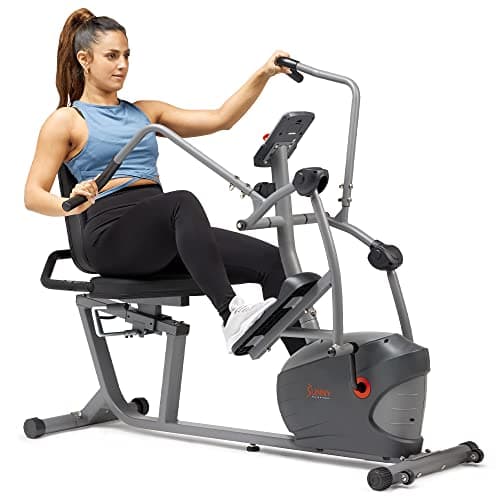
Best bikes for arthritis
Hips, hands and knees - ranked on step-through access and whether you can change the resistance at all.
Review
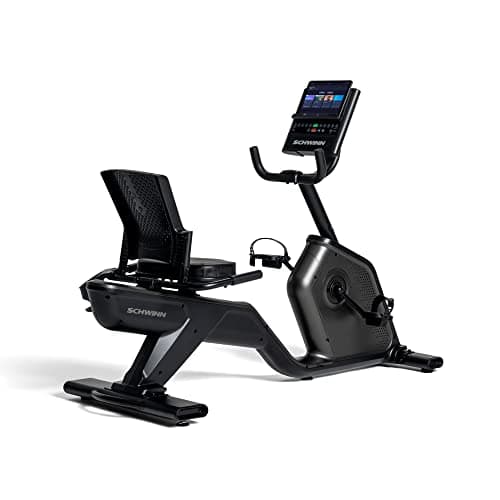
Schwinn's current top recumbent — 25 levels, 330 lb and full FTMS, with an honest account of when the cheaper 230 is the better buy.
Review
Under two feet wide, 58 lb and 16 numbered magnetic levels — the compact upright case, and what the light frame costs you.
Best upright bike under $500
Ranked on published footprint first — the specification that is usually why an upright is on your list at all.
Comparison
Every MERACH bike on resistance type, capacity and frame, set against the Schwinn and YOSUDA machines at the same money.
Best Airdyne-style bike
Airdyne is a Schwinn trademark — which one to buy, and which rival fan bikes match it on drive type and frame mass.
Quietest for apartments
Magnetic resistance, a belt drive and a dense mat — the three choices that decide whether a neighbor hears the bike.
Best for back pain
Riding position decides how a bike feels on a sore back — the recumbent frames that support the lumbar curve instead of loading it.
Best bike with a screen
Three different products are sold as a bike with a screen — this is the ranking whose displays keep working when you stop paying.
Best bike under $200
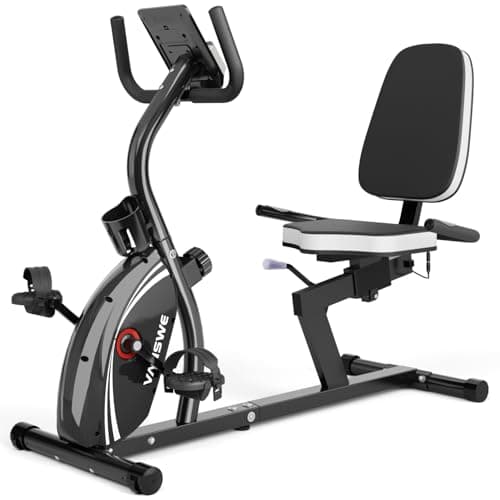
Six bikes at the bottom of the market, ranked on resistance mechanism and riding format rather than on specifications nobody at this price publishes.
Best recumbent under $1,000
The bracket where a recumbent comes with published dimensions, numbered levels, a capacity figure beside a frame weight and a parts channel behind it.
If you read nothing else on this page: this is the machine to buy, and this is the one to buy instead if it does not fit your space or your budget.
Buy this one
A Peloton ride feel with no Peloton bill
#ad How we are funded · Price as of November 19, 2026
Or this one
A branded recumbent with real parts support
#ad How we are funded · Price as of November 19, 2026